Introduction: The Allure of Natural Latex
Natural latex occupies a rarefied corner of the sleep world, a material that seems to whisper resilience while retaining a certain gentleness when pressed by the body. Its origin story begins in the sap of the rubber tree, but the tale continues through industrial refinement—gumming, foaming, curing, and curing again—until a network of cells and bubbles becomes a responsive surface. In latex beds, comfort is not merely a sensation; it is a function of material science that translates the weight of a shoulder, the curve of a hip, and the quiet economy of a night of rest into a surface that yields and returns with predictable grace.
We often measure latex by ILD, or indentation load deflection, a rating that might feel terminological and abstract at first. ILD indicates how firm or soft a latex layer will feel under pressure, and it is a compass for readers navigating the constellation of bed options—from soft, contouring toppers to firmer, supportive cores. Yet ILD is only part of the story. The structure of latex—whether Dunlop or Talalay—shapes how air moves through the material, how quickly heat is dissipated, and how the surface responds to movement. The result is a sleep surface that can stay cool, cradling, and resilient for years.
Materials: Latex, Foams, and Blends
Latex sits alongside memory foam and blends as a performer in the theater of sleep. Pure natural latex, often sourced from certified sustainable plantations, is prized for its buoyant lift and breathability. When compared with memory foam, latex tends to be more breathable and responsive, offering a bounce that preserves movement without sinking into the night. Blends—synthetic foams mixed with natural latex—try to strike a balance: cost, feel, and performance. Each formulation changes the heat profile and contour behavior, so readers should pair personal comfort with product specifications and independent testing.
The materials conversation is enriched by a look at popular configurations. In many premium mattresses, you’ll find a latex core or support layer, complemented by softer latex or polyfoam in the comfort zones. A latex topper can modulate temperature and pressure relief for sleepers who crave a cushiony surface with a springy return. Cover fabrics—often organic cotton or wool blends—contribute to moisture wicking and breathability, amplifying the inherent breathability of latex.
Firmness, ILD, and Sleep Position
Choosing a firmness level is not a ritual you perform once and forget. It is a negotiation between your body weight, sleeping position, and the surface you rest upon. ILD helps you translate a qualitative feel—soft, medium, or firm—into a quantitative benchmark. For instance, a latex layer with a moderate ILD may feel plush enough for side sleepers who need pressure relief at the shoulders and hips while avoiding excessive sinkage that could misalign the spine.
The key is to think in layers: a resilient latex core supports the lumbar region; a softer top layer cushions the joints; a breathable cover manages heat transfer. This ladder of support can adapt to different phases of sleep, maintaining spinal alignment as the body changes position through the night.
Quick Comparisons: Latex vs. Memory Foam vs. Blends
In laboratories and showrooms alike, latex often wins on breathability and resilience, while memory foam excels in deep, body-conforming pressure relief and motion isolation. Blends offer a middle ground but can dilute some of the signature properties of natural latex. The takeaway: there is no universal best; there is a best-for-you, defined by how you sleep and how your body feels during and after a night’s rest.
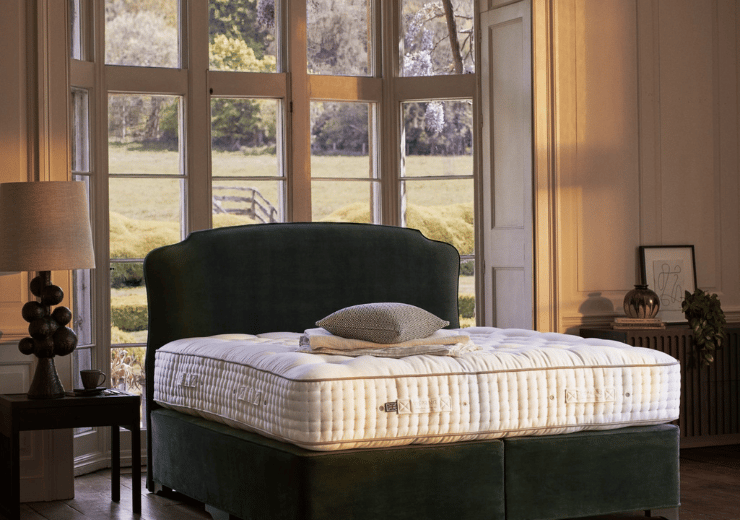
For readers looking for a tangible anchor, consider examining brands that foreground natural materials and transparent testing, such as Vispring’s multi-fiber constructions or Naturepedic’s emphasis on organic, non-toxic materials. A well-chosen latex setup can feel lighter on the joints, cooler on warm nights, and more buoyant for longer stretches of sleep.
How to Evaluate Latex-Based Products as a Beginner
-
Check ILD ratings and layer placement. The feel of a mattress is a triad: core support, comfort layers, and the cover that makes contact with the skin.
-
Consider the source of latex. Natural latex—often labeled as 100% natural or with certifications like Oeko-Tex or GOLS/GOTS—points to a certain standard of environmental and health considerations.
-
Look for certification and warranty. A strong warranty combined with third-party certifications can offer a sense of long-term reliability.
-
Examine heat management. Latex’s breathability is real, but the overall temperature profile depends on the core, the cover, and any supplemental foams or fibers.
-
Test the topper option. If you are curious about how a topper might change a mattress’s feel, a latex topper in Talalay or Dunlop varieties can be a reasonable way to experiment.
Key Perspectives: Three Figures Across Time
The subject of latex sleep surfaces has attracted minds from different eras, each contributing a distinctive thread to our understanding of comfort, materiality, and design. Here are three figures, spaced across time, who illuminate the conversation.
Antonius Archimedes (Ancient Beginnings)
In antiquity, the early inquiries into “how to sit and rest” were less about engineered laboratory data and more about the intuition of body support. Archimedes’ lineage—though not a sleep scientist—embodied the idea that balance and leverage could be understood through simple physical principles. In our modern context, his spirit lingers in the design philosophy that underpins supportive surfaces: a balance of forces, measured or felt, that respects the body’s contours.
René Bernoulli (17th Century, Fluidity and Pressure)
Bernoulli’s ideas about pressure and flow become a metaphor for how air moves through latex foams and fabric coverings. Though he studied fluids, his insights echo in modern breathable latex systems: air and moisture navigate the micro-gaps of a mattress, carrying heat away from a sleeper. The parallel invites readers to think of a mattress not as a single slab but as a dynamic landscape of materials, each layer performing in dialogue with the body.
Linda Mori (Contemporary Ergonomics)
Mori represents a current branch of sleep science that blends ergonomics with consumer products. Her work emphasizes spinal alignment, pressure distribution, and sleep quality across a range of body types. In latex terms, this translates into carefully layered surfaces that can adapt to different sleeping positions without sacrificing support. Mori’s approach reminds designers and readers that comfort is both physiological and experiential: a mattress must feel right and also work with the body’s mechanical needs.
Case Study: Savvy Rest Unity Pillowtop Latex Mattress
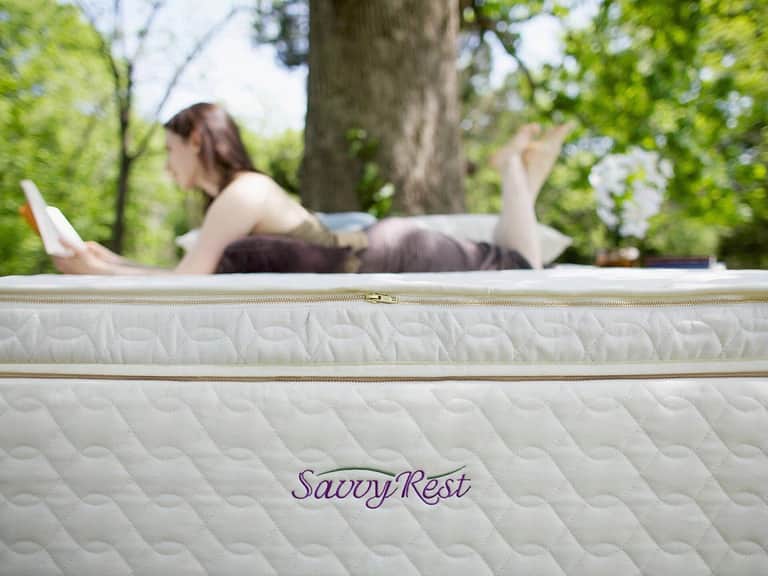
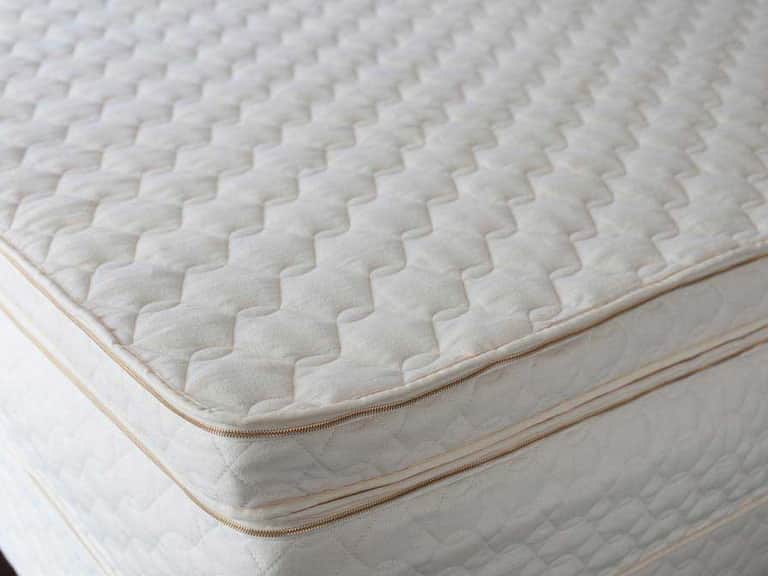
The Unity Pillowtop by Savvy Rest embodies a tangible intersection of natural latex and patient craftsmanship. With four layers, including a pillowtop topper and a Dunlop core, the Unity offers a plush surface favored by side sleepers who require gentle pressure relief without surrendering support. The label speaks of organic cotton, wool flame barrier, and a 20-year warranty—an emblem of durability and a nod to the maker ethos that anchors the brand.
For readers curious about how such a product translates into sleep outcomes, consider the synergy between topper softness, core resilience, and the temperature-regulating properties of wool and cotton. The Unity’s design—personalizable by layer and side—highlights a key principle of latex construction: modularity enables customization without sacrificing structural integrity.
Savvy Rest Unity Pillowtop Latex Mattress
The Unity Pillowtop is a 13-inch layered system combining the Serenity core with a Harmony latex topper. It is designed to cradle the sleeper while preserving the buoyant responsiveness that latex provides. Organic cotton casing and wool flame barrier reflect a philosophy of natural materials and careful sourcing.
Product image: Savvy Rest Unity Pillowtop Latex Mattress (illustrative)
Note: Images are provided for selected products in this article to illustrate construction and aesthetics. The Unity Pillowtop is a premium latex mattress featuring four layers and a total height of 13 inches.
Closing Thoughts: Craft, Comfort, and the Science of Sleep
The conversation about natural latex is more than a materials inventory. It is a meditation on how people live with their bodies through the night. The choices we make—whether to opt for a Dunlop vs. Talalay latex core, whether to add a topper, or whether to insist on organic covers—are acts of care. They acknowledge that sleep is not a passive state but a daily practice of alignment, breath, and relief from gravity’s unrelenting pull.
In a marketplace crowded with specifications and slogans, a material-centered approach offers a clarity that is both practical and poetic. Latex may be buoyant and cool by design, but its true strength lies in its capacity to respond to you—your pressure points, your warmth, your shifting relief as you move through the hours you spend in darkness. Natural materials are not a nostalgic nod to the past; they are an insistence on chemistry, craftsmanship, and the possibility of better sleep.